
If you’ve ever hit “publish” on a blog post and waited days (or weeks) for traffic that never came, you’re not alone. Writing great content is just half the battle. To get your articles noticed by search engines and readers, you need a solid on-page SEO checklist.
Think of it as your blog’s blueprint—without it, your content may get buried under competitors, no matter how good your writing is. With the right SEO strategy, however, you can boost visibility, rank higher in search results, and attract a steady stream of readers.
In this guide, I’ll walk you through a complete on-page SEO checklist for bloggers—not just the generic “add keywords here” tips, but real, research-backed strategies I’ve tested myself while growing blogs from scratch.
What Exactly is On-Page SEO?
On-page SEO is the process of optimizing individual web pages so they rank higher on search engines and attract targeted traffic. Unlike off-page SEO (like backlinks and social shares), on-page SEO is fully in your control. It covers everything from your blog’s structure, content, and keywords to technical elements like meta tags and site speed.
In simple terms: if your blog post is a house, on-page SEO is the foundation, furniture, and paint job—it’s what makes people want to stay inside and explore.
Why an On-Page SEO Checklist Matters for Bloggers
Without a checklist, it’s easy to miss critical steps. I’ve seen bloggers write brilliant content but forget small details—like image alt text or internal links—that could have boosted their rankings.
An on-page SEO checklist helps you:
- Stay consistent across all blog posts.
- Improve your chances of ranking for multiple keywords.
- Reduce bounce rates by keeping readers engaged.
- Build topical authority in your niche.
The Ultimate On-Page SEO Checklist for Bloggers
Here’s the exact checklist I follow before publishing any blog post:
1. Start with Keyword Research
Your blog post won’t rank if no one is searching for it. Use tools like SEMrush, Ahrefs, or Ubersuggest to:
- Find keywords with high search volume but low competition.
- Identify long-tail keywords (e.g., “on-page SEO checklist for beginners” instead of just “on-page SEO”).
- Look at competitor blogs to see what keywords they’re targeting.
💡 Pro Tip: Always map your keyword to search intent (informational, navigational, or transactional).
2. Craft an SEO-Friendly Title
Your title is the first thing readers (and search engines) see. A strong SEO title should:
- Include your focus keyword (on page seo checklist).
- Be under 60 characters (so it doesn’t get cut off in search results).
- Be compelling enough to encourage clicks.
Example: The Ultimate On-Page SEO Checklist for Bloggers (2025 Guide)
3. Write a Compelling Meta Description
Meta descriptions don’t directly affect rankings, but they do impact CTR (click-through rates). Keep it under 160 characters and use the focus keyword.
Example: Discover the ultimate on-page SEO checklist for bloggers. Optimize your content with proven strategies, boost rankings, and grow organic traffic.
4. Structure Your Content with Headers (H1, H2, H3)
Headers guide both readers and search engines through your content. Follow this structure:
- H1: Your main title (only one per page).
- H2: Major sections (like this checklist).
- H3/H4: Sub-points under each section.
This improves readability and signals to Google what your content is about.
5. Optimize URL Structure
Keep your URLs short, clean, and keyword-rich.
✅ Good: example.com/on-page-seo-checklist ❌ Bad: example.com/blog/12345-seo-tips-for-blogging
6. Focus on Content Quality
Google’s algorithm is smarter than ever—it knows when content is written for humans vs. search engines. Prioritize:
- Clarity: Keep paragraphs short (2–3 lines).
- Depth: Cover topics thoroughly with examples.
- Freshness: Update old posts with new data.
- Engagement: Use stories, analogies, or personal experiences.
7. Keyword Placement
Use your focus keyword naturally in:
- Title (H1)
- First 100 words
- At least one H2
- URL
- Meta description
- Image alt text
- Conclusion
But avoid keyword stuffing—it harms readability and SEO.
8. Optimize Images
Large images slow your site down. Always:
- Compress images (using TinyPNG).
- Add descriptive file names (e.g.,
on-page-seo-checklist.png). - Use alt text with relevant keywords.
9. Improve Internal Linking
Internal links help readers explore your blog and spread SEO value across pages.
- Link to older relevant posts.
- Use descriptive anchor text (e.g., check out my guide on keyword research instead of click here).
10. Add External Links to Authority Sources
Search engines love when you reference credible sites. It shows you’ve done your research. Link naturally to studies, reports, or authoritative blogs like Moz or Search Engine Journal.
11. Enhance User Experience (UX)
Google considers how readers interact with your content. Improve UX by:
- Using bullet points and tables.
- Adding visuals (infographics, screenshots, pie charts).
- Ensuring mobile-friendliness.
12. Page Speed Optimization
Slow sites kill rankings. Use Google PageSpeed Insights to:
- Compress images.
- Minify CSS/JS files.
- Use a caching plugin (if on WordPress).
13. Add Schema Markup
Schema markup helps search engines understand your content better and can enhance your search snippets. Use tools like Schema.org or WordPress plugins like Rank Math.
14. Mobile Optimization
With over 60% of traffic coming from mobile, ensure:
- Your theme is responsive.
- Fonts are easy to read.
- Buttons are tap-friendly.
15. Strong Call-to-Action (CTA)
Every blog post should end with a purpose. Whether it’s encouraging readers to comment, share, or subscribe—make your CTA clear and engaging.
Example: Enjoyed this checklist? Subscribe to my newsletter for weekly SEO insights!
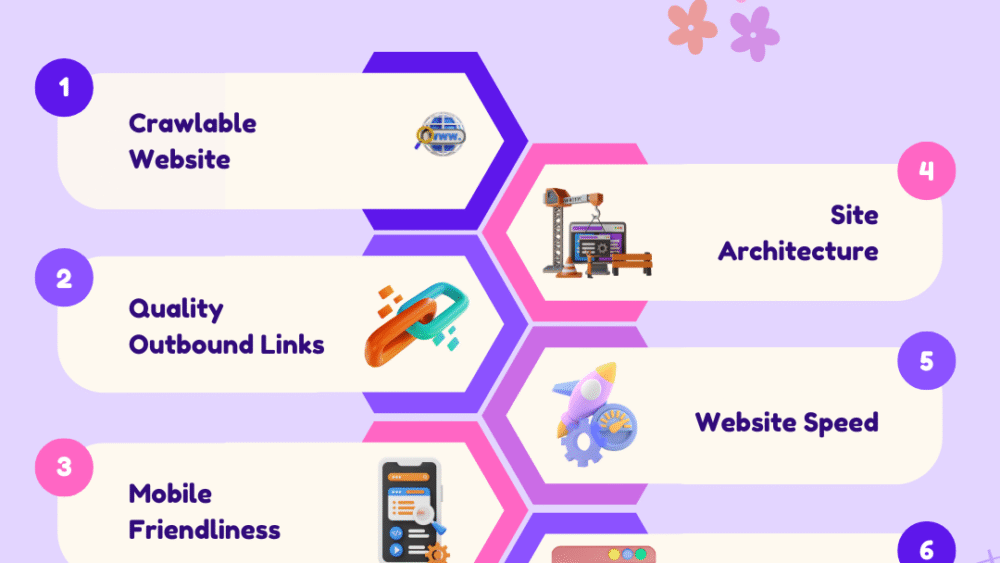
Visual: Core Elements of On-Page SEO
Here’s a quick breakdown of what makes up a solid on-page SEO checklist:
Quick Comparison: Good vs. Poor On-Page SEO
| Element | Good Example | Poor Example |
|---|---|---|
| Title | “Ultimate On-Page SEO Checklist” | “SEO Tips Blog 2025” |
| URL | /on-page-seo-checklist | /blog/12345 |
| Content Depth | In-depth, covers all aspects | Generic, 400 words |
| Internal Linking | Links to 3–5 relevant posts | No internal links |
| Image Optimization | Compressed, alt text, keyword-rich | Large, no alt text |
Key Insights from My Blogging Experience
When I first started blogging, I assumed writing consistently was enough. I quickly learned that consistency without SEO is just noise. My articles weren’t ranking because I wasn’t optimizing them properly.
Once I started following an on-page SEO checklist, I noticed:
- My posts ranked faster (sometimes within weeks).
- Traffic became more consistent.
- Readers spent longer on my site, exploring multiple posts.
The biggest takeaway? Small details like internal links, optimized images, and structured headers make a huge difference.
Conclusion: Your On-Page SEO Checklist in Action
SEO is not about tricking search engines—it’s about making your content discoverable, readable, and valuable. By following this on-page SEO checklist, you’ll:
- Improve rankings.
- Attract the right audience.
- Build long-term authority in your niche.
So before you hit publish on your next blog post, revisit this checklist. Each optimized detail brings you closer to higher rankings and greater visibility.
Call-to-Action
Ready to put this checklist into action? Start by optimizing your next blog post step by step. And if you found this guide helpful, share it with your blogger friends—or drop a comment below with your biggest SEO challenge. Let’s grow together!
[…] “You can also check some best smart phone under 50k” i can add hyper link. For example The Ultimate On-Page SEO Checklist for Nepalese Bloggers… this is url of another blog page and when we link on above hyperlink it will get redireted to […]